Foundation problems in Plano: signs and causes
What homeowners commonly notice, why Blackland Prairie clay moves, and what to do first.
What homeowners commonly notice
These are common observations, not a diagnosis. A single one of them doesn't prove a foundation problem, and an engineer's inspection is how you find out.
- Cracks in drywall, especially diagonal cracks running from the corners of doors and windows
- Cracks in brick or stucco, or in the slab itself
- Doors and windows that stick or no longer latch
- Gaps between walls and ceilings, trim or floors
- Floors that slope or feel uneven
If you see something, photograph it with a ruler or coin for scale, date the photo, and check it again in a few weeks. A written record helps whoever inspects it.
Why North Texas foundations move
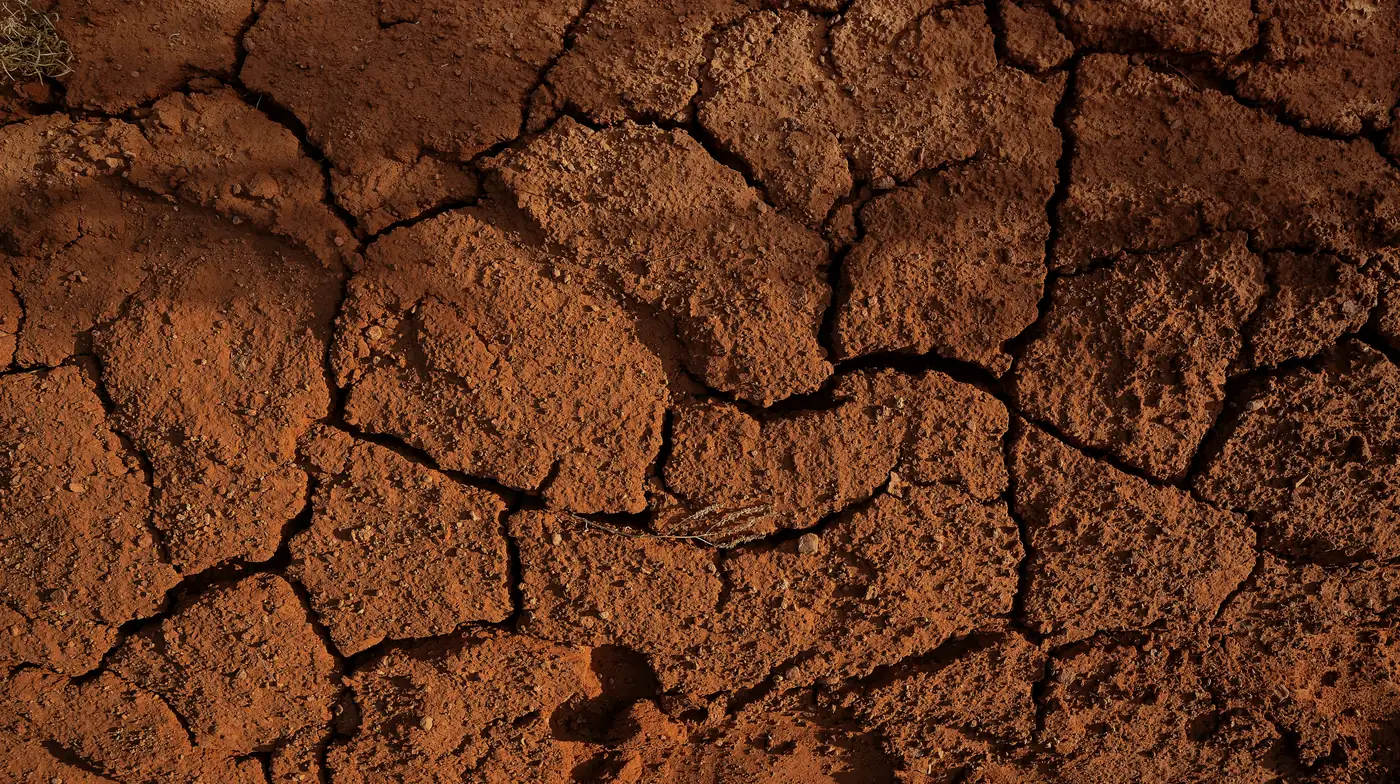
The Texas Water Development Board describes Houston Black clay, the Texas state soil, as one of the "classic Vertisols, which shrink and swell markedly with changes in moisture content." It says the soil occurs in the Blackland Prairie, "which extends from north of Dallas south to San Antonio," and that its "very high shrink-swell potential commonly is a limitation affecting building site development."
The Dallas County Master Gardeners say the same thing in homeowner terms: "Expansive black clay soil swells and shrinks based on the amount of water it contains," and too much water under a house "can cause the soil to 'heave,' which will lift the foundation and cause damage."
Plano is north of Dallas, but soil varies from lot to lot. The USDA's Web Soil Survey lets you look up the soil mapped at your address.
Water around the house
The same Master Gardeners article makes three practical points for DFW homes:
- "Good drainage is essential and should include slopes away from the house, gutters and sometimes underground drainage systems."
- Place drip irrigation at least six inches away from the foundation.
- Don't mulch above the top of the foundation, which could attract termites to the wall.
A leak under or beside the house is another way water reaches the soil. If you suspect one, a plumber can test for it, and it's worth ruling out before paying for foundation work.
Plano's homes
Plano's population grew from 17,872 in 1970 to 128,713 in 1990 and 222,030 in 2000 (decennial census counts). A large share of its homes were therefore built in that window, which makes many of them roughly 25 to 55 years old. That's our inference from the growth, not a count of home ages.
What to do first
- Document what you see with dated photos.
- Check drainage, gutters and irrigation near the foundation.
- Get an independent inspection before agreeing to a repair.
- Compare written quotes. See the cost guide.
Sources
- Texas Water Development Board: Texas State Soil fact sheet (Houston Black clay)
- Dallas County Master Gardeners: Foundation Plants for DFW Homes (Georgeann Moss, July 1, 2024)
- USDA Natural Resources Conservation Service: Web Soil Survey
- Wikipedia: Plano, Texas (decennial census populations)
Last checked October 6, 2026. Prices, rules and phone numbers change, so confirm with the source before you act.
Common questions
Is every crack a foundation problem?
No. A single crack doesn't prove one, and an engineer's inspection is how you find out. Photograph and date what you see so you can tell whether it's changing.
Why do North Texas foundations move?
The Texas Water Development Board says Houston Black clay, found in a belt from north of Dallas to San Antonio, shrinks and swells markedly with moisture. Water around the house matters.
Can watering near my foundation cause problems?
The Dallas County Master Gardeners advise placing drip irrigation at least six inches from the foundation, and say too much water under a house can make the soil heave.
Want a local contractor to look at it?
Send the form or call. We pass your request to a local foundation repair contractor. Homeowners never pay us.
If you reach voicemail, leave your name, number, property address and what you've noticed.